


A set of snow activities from the Tracking Climate in Your Backyard curriculum.
A set of snow activities from the Tracking Climate in Your Backyard curriculum.
A set of hydrologic cycle activities from the Tracking Climate in Your Backyard curriculum.
An activity from the Tracking Climate in Your Backyard curriculum.
A set of climate activities from the Tracking Climate in Your Backyard curriculum.
This activity allows us to see how a cool, dense mass can force a warmer, less dense mass upward, as well as observe the instability of the masses once this has occurred. Finally, if we let them interact long enough, the system re-equilibrates.
In this activity, we’ll see where rain comes from and where it goes by using a cup as a lake (water reservoir) and a bag as our atmosphere.
This activity looks at how we measure snowfall and then creates precipitation contour maps to determine where the heaviest snowfall occurred. Contour mapping of precipitation is also used in weather forecasting to determine what areas will be most heavily impacted by potential snowfall.
This activity helps students understand the components of clouds, snow, and rain.
This activity looks at how humans contribute carbon dioxide to our atmosphere.
This activity explores what happens to oceans which have absorbed much more carbon dioxide than they normally contain as a result of human carbon emissions.
This activity explores what happens to water as it is heated and cooled.
This activity allows youth to create their own topography and see its effects on a watershed. Then it allows youth to explore what happens when those watersheds are contaminated.
This activity will explore how water cycles through the planet, and give insight into how long water remains in each part of the cycle.
This activity explores the role of plants in the hydrologic cycle.
In this activity, we look at the different pieces of the climate puzzle that, when put together, create our winds.
This activity has youth journal their winter weather to learn more about the variation during the season and about making scientific observations.
This activity explores the science behind the effect salt has on changing the physical properties of water, which also helps people adapt their lifestyles to their surroundings.
This activity explores how much water is in the snow after a recent snowfall in your community.
This activity looks at how climate, habitat, and endangered species are all related.
This activity provides information on how scientists use ‘proxy’ information, like that from tree rings, to learn about ancient climates.
In this activity, after we learn how temperature is a measure of energy, we become a group of water molecules undergoing phase changes together.
A set of temperature activities from the Tracking Climate in Your Backyard curriculum.
A set of rain activities from the Tracking Climate in Your Backyard curriculum.
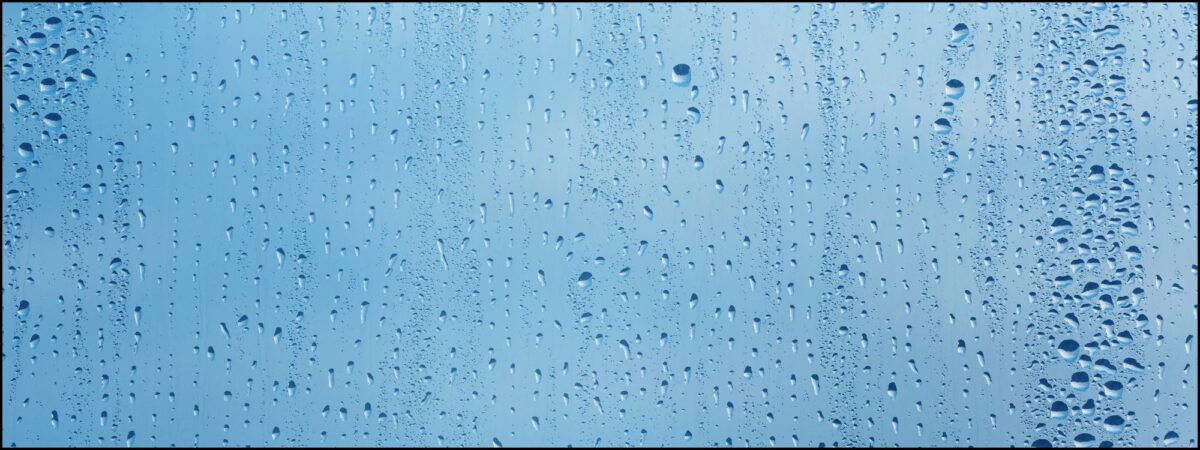
This activity will show us some of the basic forces acting together to create rain.
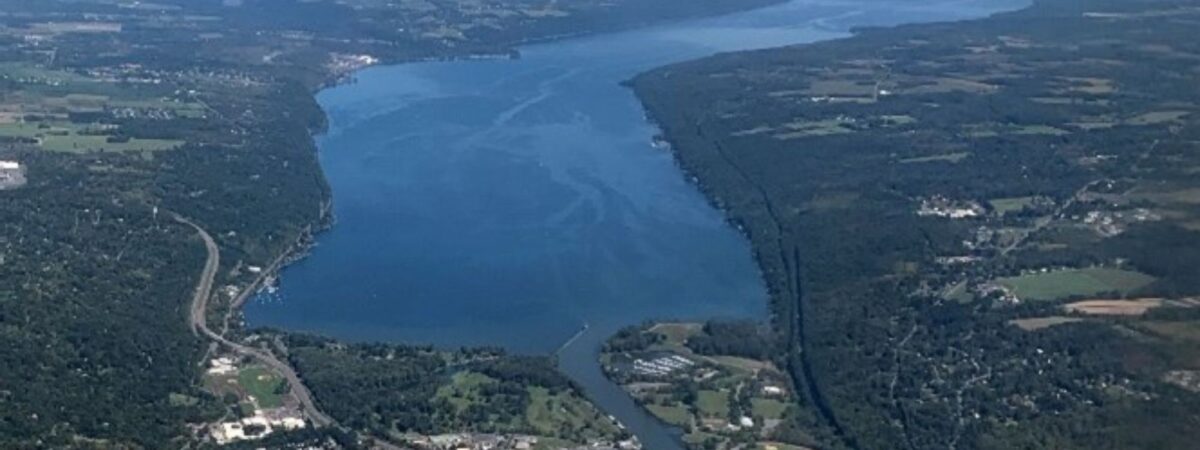
In this module consisting of 6 sections, students explore lake ecology, harmful algal blooms (HABs) and their causes, climate change, and actions to mitigate HABs.
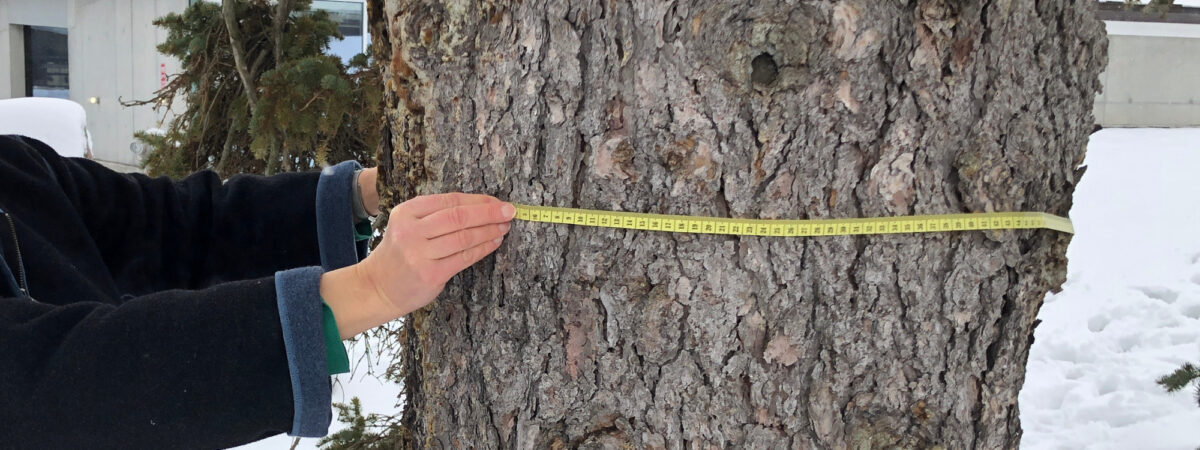
Photosynthesis is the process that builds the biomass of plants, and plants take in carbon dioxide (CO₂) from the atmosphere during photosynthesis. Students will measure a tree and compute how much CO₂ it has taken in over its lifetime.
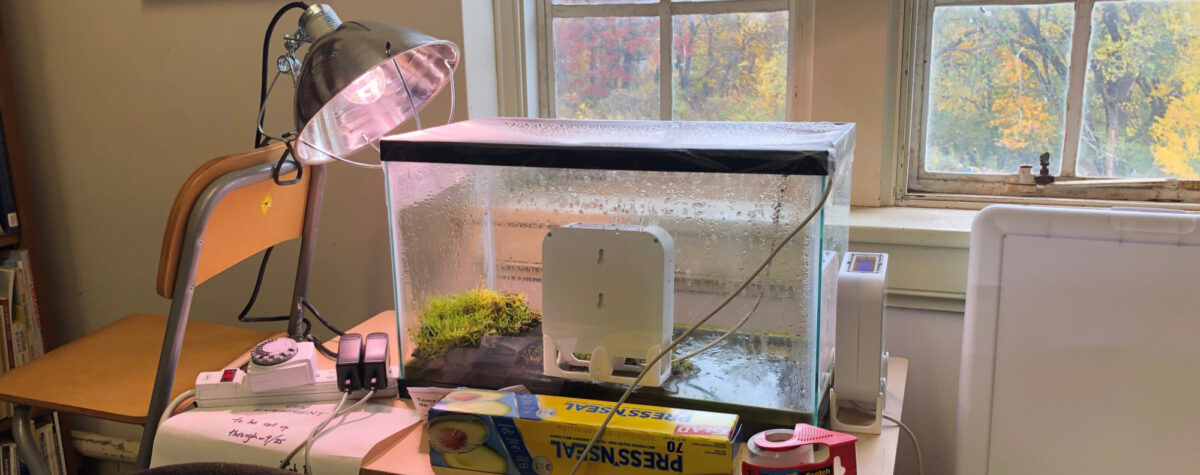
Students will design and test a closed system that will pull CO₂ levels down below pre-industrial atmospheric concentrations (that is, below 280 ppm). The objective is to design a tank where the rate of photosynthesis exceeds that of respiration so that CO₂ levels decrease on average over time.
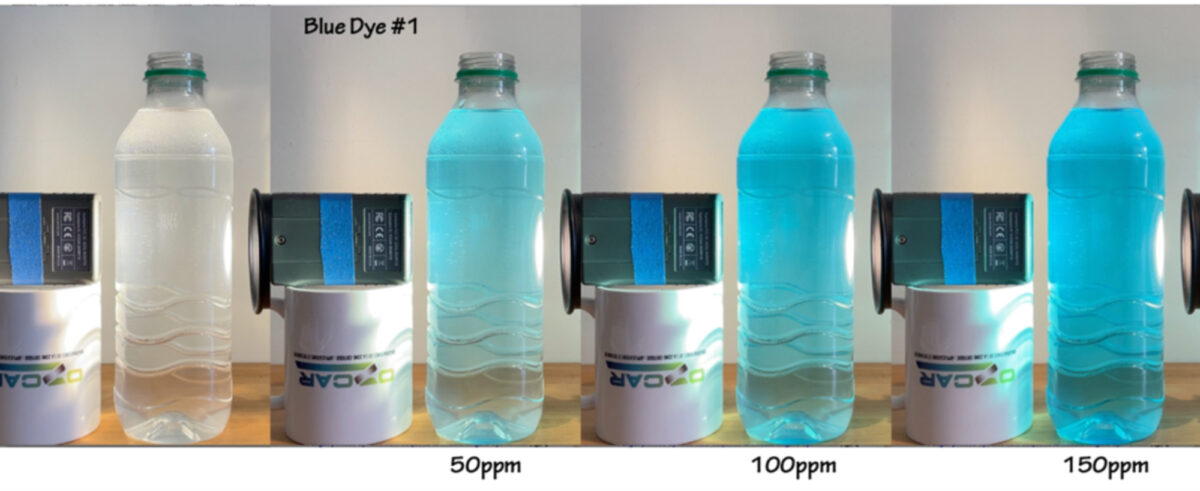
The environmental consequences of tiny quantities can be huge. In this activity we use dye and water to show how big a tiny change can be. Students sequentially add drops of food coloring to one liter of water to assess the change caused by a trace component. The changes can be described qualitatively, or, quantified with photographs or a light meter.
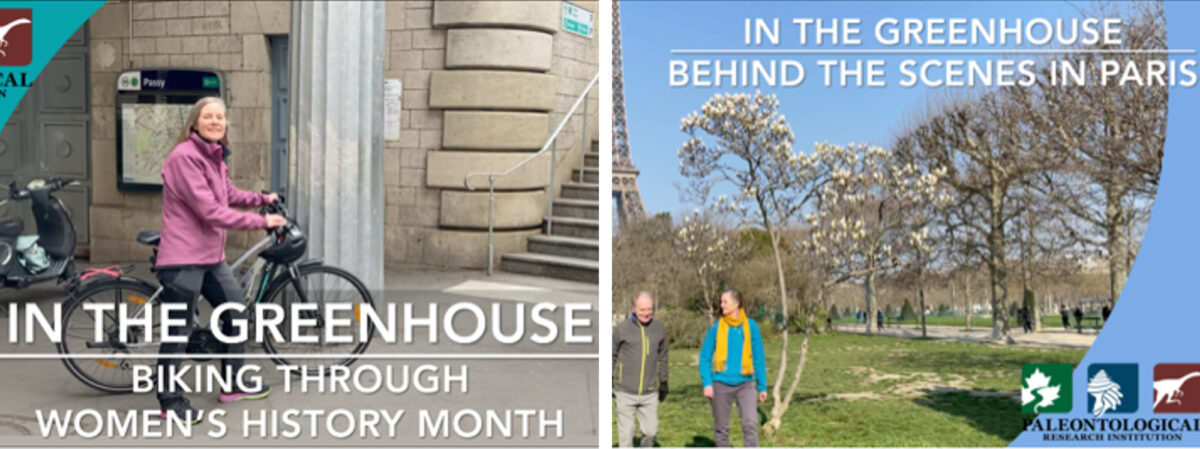
For International Women’s Day, Alexandra Moore, one of PRI’s women climate scientists, has created short video features on some of the activities that she engages in across a typical day. This toolkit includes these videos along with student activities that match the theme of each film.
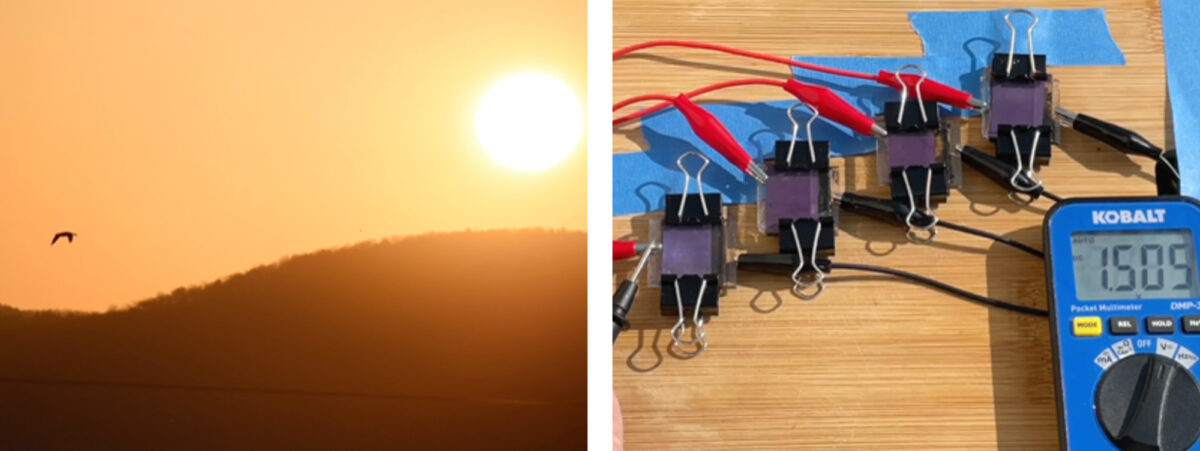
Using materials like iodine, blackberry juice, and a few specialized components, students will create a working solar cell that mimics the process of photosynthesis.
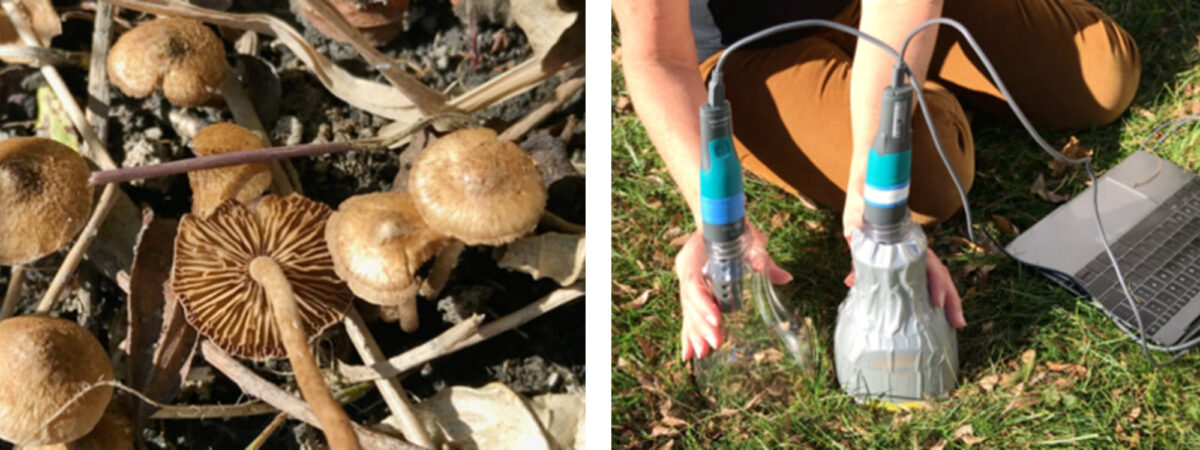
Students measure the flux of carbon dioxide from soil to the atmosphere using a lab CO2 probe and home-made flux chambers. The experiment can be designed to allow students to manipulate the experimental conditions, and explore the relationship between temperature and respiration, pointing to an important consequence of global climate change.
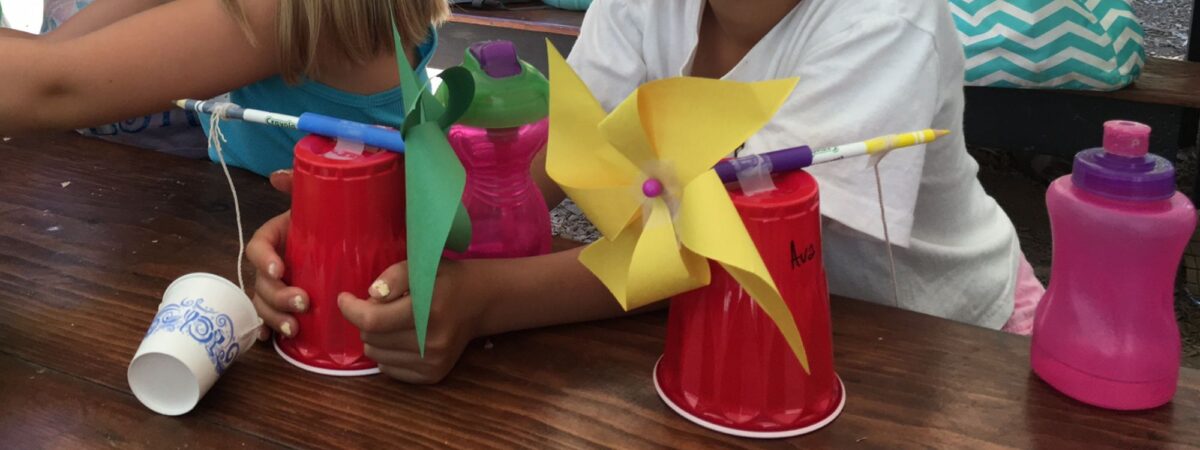
This activity involves building a tiny, wind-powered elevator: a small cup lifted by a pinwheel. You could use the elevator to lift things from the ground floor to the second floor of a house you make from shoe boxes.
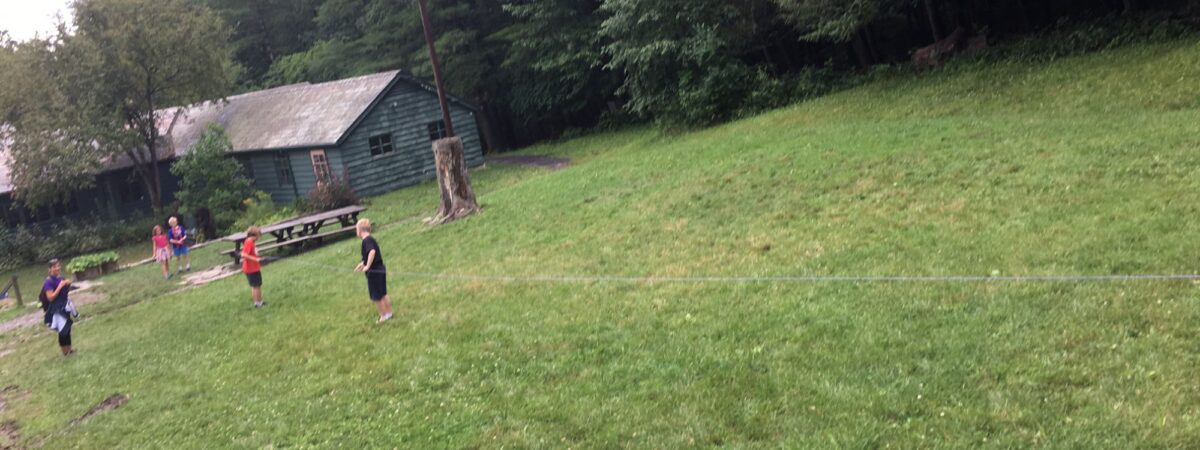
Students work together to create a rope timeline that illustrates time scales of thousands of years compared with human lifetimes.
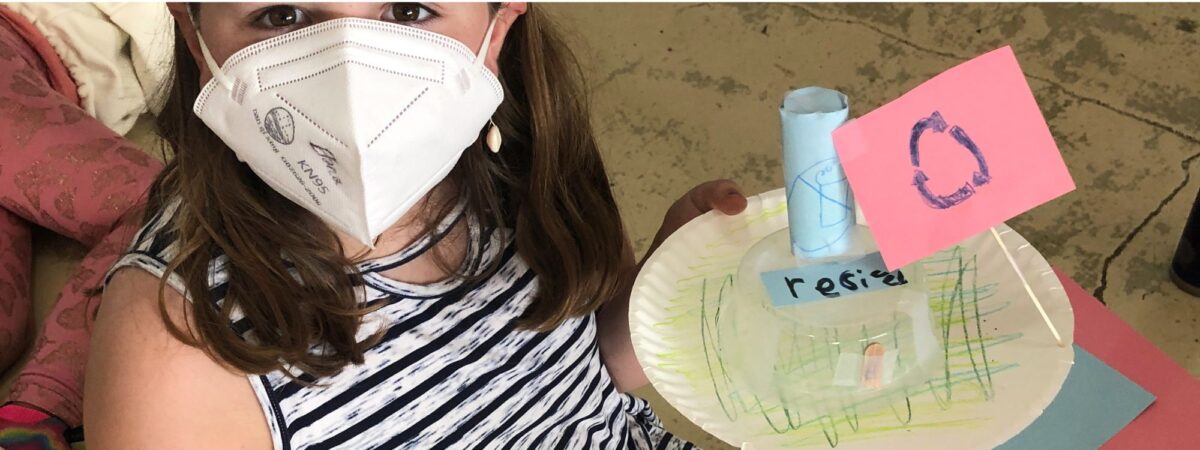
Students use art to express their vision of what a better climate future could look like in their community, and how we could achieve this.
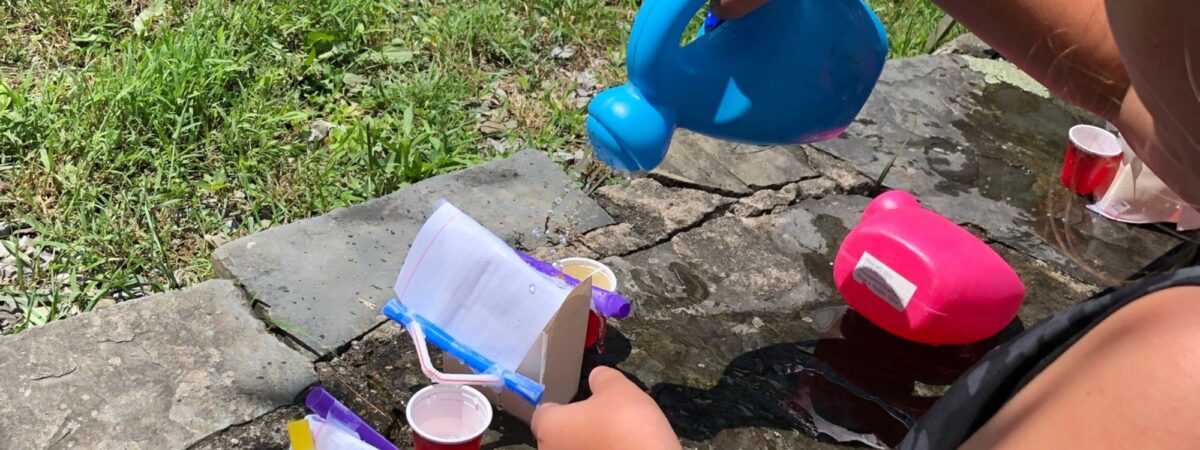
Students build small paper houses and design and build structures such as gutters and rain gardens to divert and capture rainwater. They then test their designs with simulated rain.
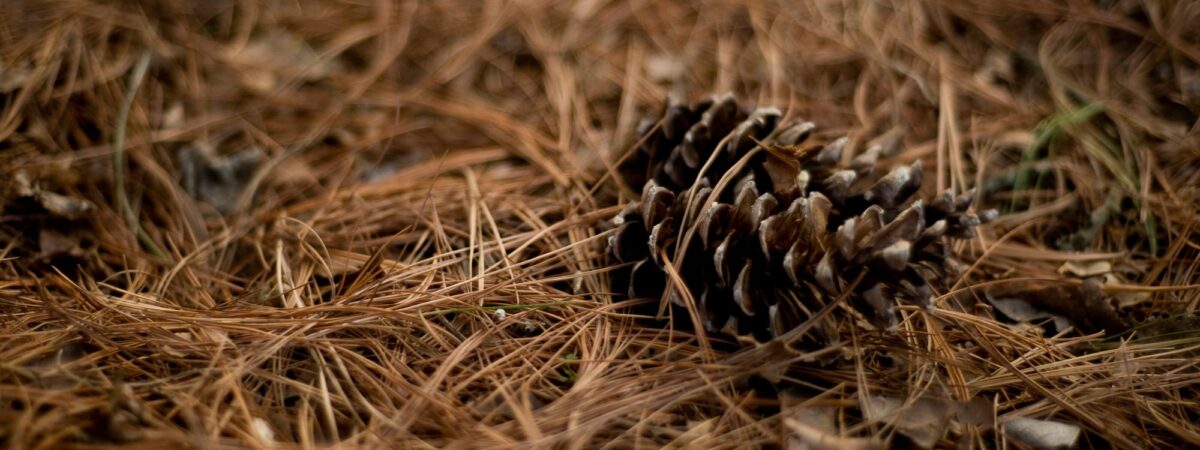
Students build a simple wind dial (anemometer) and explore how pine cones can tell us about humidity in the air.
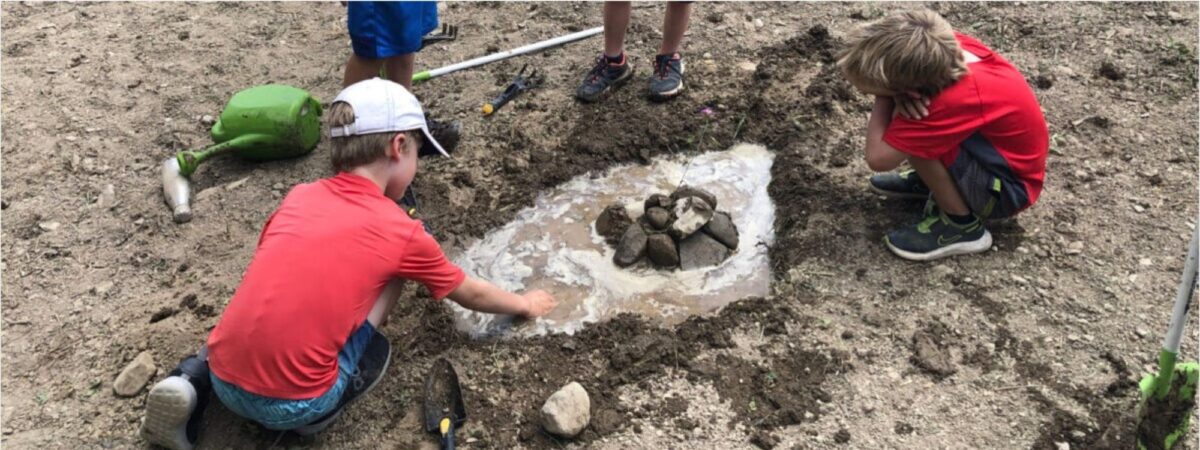
Students learn through play in this activity where they devise, create, and test ideas for protecting a garden from heavy rains.
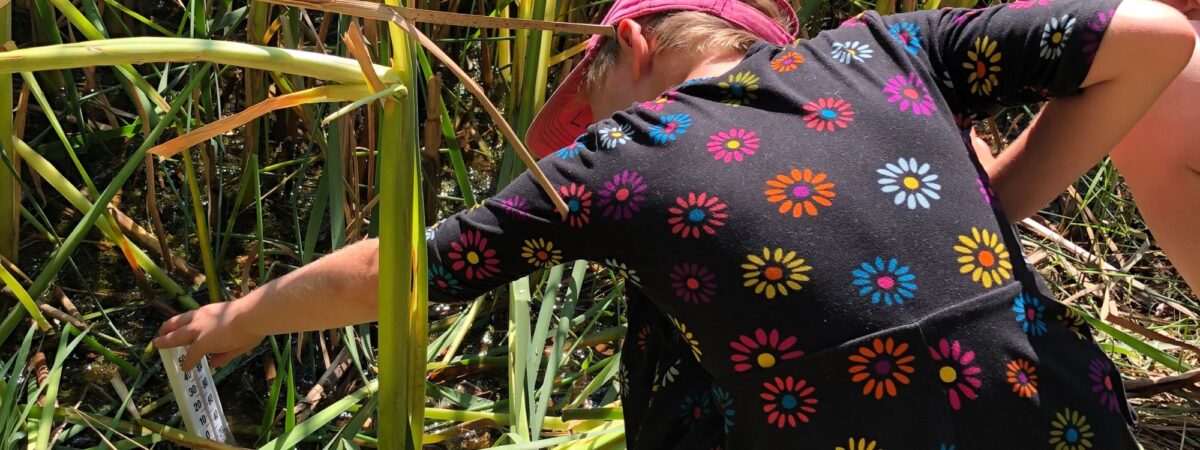
Students use basic thermometers to measure air temperatures under different conditions, draw conclusions about why air temperatures differ in these conditions, and apply what they’ve learned to strategies for staying cool during extreme heat events.
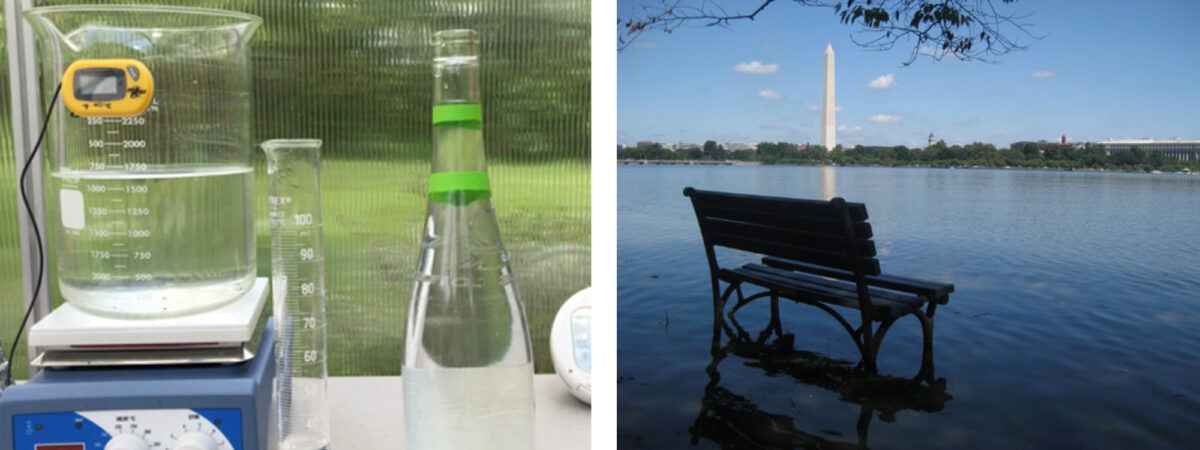
In this activity we calculate the coefficient of thermal expansion for tap water. Students will heat water in a long-necked glass bottle to explore the relationship between temperature and volume of water. Quantifying the initial volume, change in volume, and the initial and final temperatures allows students to calculate the coefficient of thermal expansion.
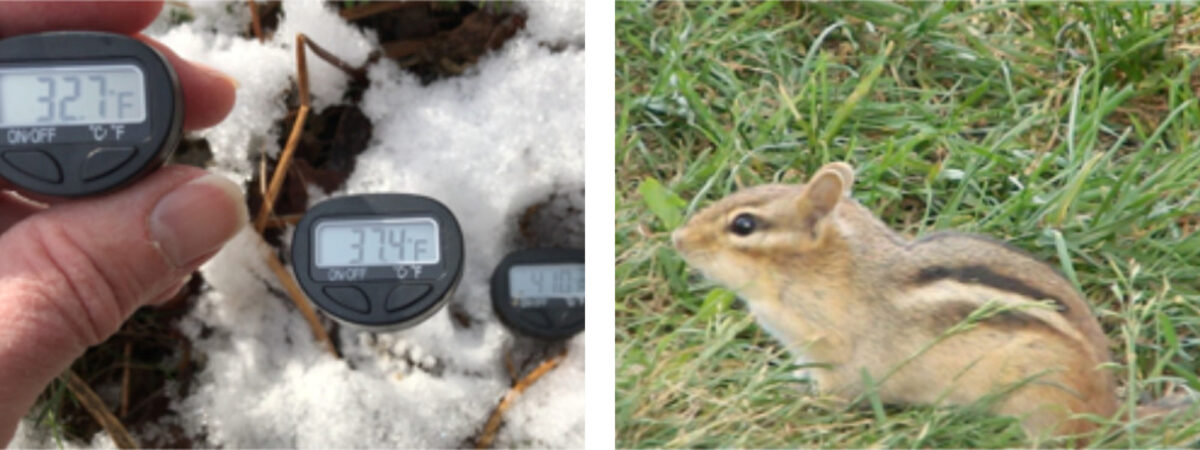
Students measure a soil temperature profile to explore the effect of energy from the Sun on the shallow subsurface environment. Multiple temperature profiles allow students to analyze the daily change in energy that diffuses into the subsurface, and its differential impact near the surface and at depth.