


Overview
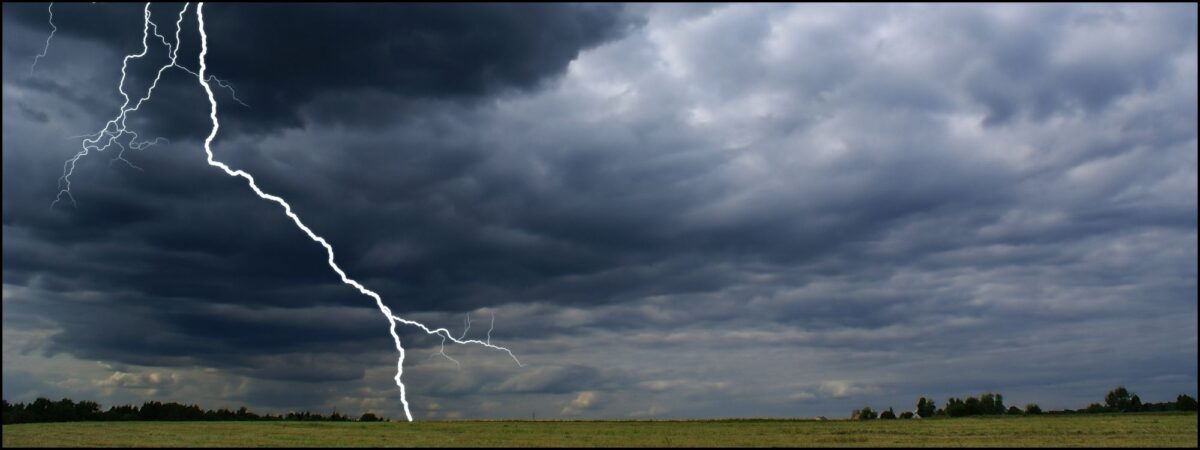
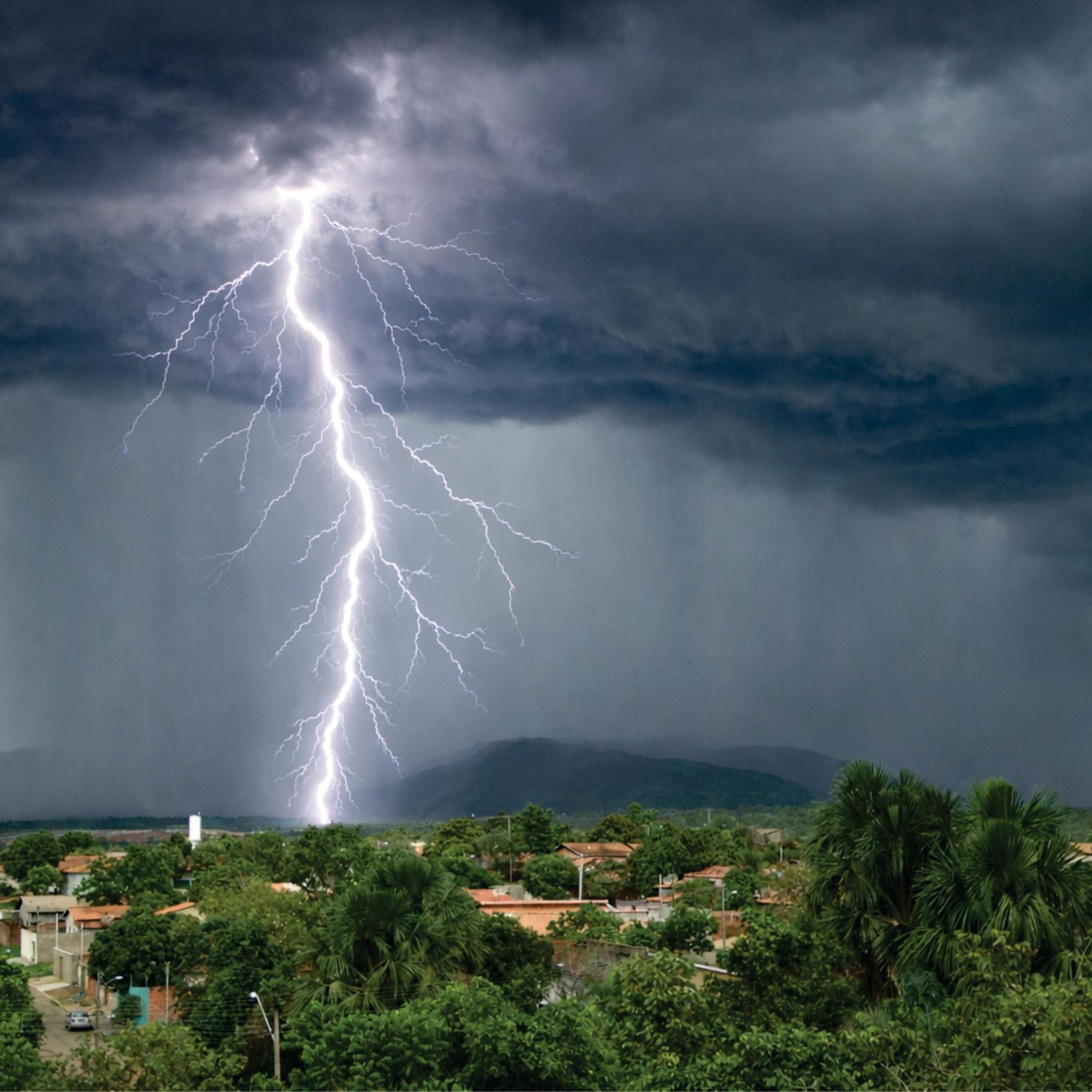
Thunderstorms form when three main ingredients come together. The first ingredient is moisture. Moisture normally comes from large bodies of water like the ocean. The second ingredient is unstable air. Unstable air forms when the warm, wet air by the ground interacts with the cool dry air higher in the atmosphere. The last ingredient is lift. Lift occurs when the warm surface air, which is less dense than cooler air, rises. It is once all of these ingredients combine that you get a thunderstorm.
Introduction
This activity allows us to see how a cool, dense mass can force a warmer, less dense mass upward, as well as observe the instability of the masses once this has occurred. Finally, if we let them interact long enough, the system re-equilibrates.
Grade Level
K-5, 6-8
Learning Objectives
Students will be able to describe and explain the results of the interaction of warm and cold masses of fluids (air or water).
Lesson Format
This activity can be done indoors!
Time Required
45 minutes
Credits & Contact Info
Trisha Smrecak and Caroline Boyajian
Paleontological Research Institution, 1259 Trumansburg Rd., Ithaca NY 14850
climate@priweb.org
Instructions & Materials
Materials
- Clear container (9x11 baking pan recommended)
- Cool water with blue food coloring
- Warm water
- Red and blue food coloring
- Ice cube tray
Instructions
Preparation Needed: Mix water with blue food coloring (about 1 drop per cube) and pour into an ice cube tray; freeze
Activity
- Pour warm water into the container to about one inch in height. Ask the youth what will happen when you add blue ice cubes to one end and red food coloring to the other.
- Add 2 or 3 prepared ice cubes to the end of the container opposite the ice cubes. Drop the ice cubes in slowly so that the water is not disturbed.
- Immediately after placing the ice cubes into the container, add 3 drops of red food coloring to the other end of the container.
- Observe what happens to the water.
- Leave the container for a short period of time and re-examine after all of the ice has melted and the water has come to room temperature.
Discussion
The warm water represents a normal, warm summer day. The addition of the ice cubes represents a cold front moving into the system. Cold air is denser than warm air, and as we saw in the activity, the cold forces the warm air up. Forcing the warm, moist air up into the atmosphere cools it, which creates rainfall. Further, the air is then unstable, creating high winds and other characteristics typical of a thunderstorm.
If you used a container with a different shape (circular, one with an uneven bottom, etc.) you may notice other phenomena. For instance, low points in a container with an uneven bottom may allow the concentration of the cold, blue food-colored water. This water is denser and can concentrate in the low points without mixing, just as some pockets in a community may experience more or less rainfall, even if they are only a mile apart. The group may wish to repeat the experiment with different containers or change the shape of the same container by adding clay, creating topography (see CoCoRaHS extensions). In this way, your group can replicate the effect of mountains (create rain shadows) and see what other effects topography can have on climate.
Some places in your container may not be affected by the food coloring and remain clear for an extended time. This also represents the spatial variability of storms. Monitoring the variability of storms and precipitation is one of the reasons CoCoRaHS was established. Now your group understands why!
Once all of the water returns to room temperature, the water has freely mixed and is of equal density. The result is that the water has turned a shade of purple. This represents the aftermath of a storm. The storm is nature’s way of dealing with unequal high and low pressures. Once the pressures have been neutralized, the system re-equilibrates, just like the water in your pan.
Discussion Questions:
- Where does the cold water travel in the container? Where does the warm water travel? Why?
- What happened in the container once the ice melted?
Teaching Tip
This demonstration uses water to demonstrate an atmospheric phenomenon involving air. You may need to explain to your students that air and liquids are both fluids: substances that flow and adapt to the shape of their containers (unlike solids). This is why we can make an analogy from how water behaves to how air behaves.
Extensions
Download a word search activity here:
CoCoRaHS Extension Ideas:
1) In addition to daily precipitation reports, CoCoRaHS allows you to upload information about intense rainfall and snowfall events. During the next predicted thunderstorm in your community, keep a piece of paper near the window and record when the rain first starts, when the heaviest rain occurs and subsides, and write a descriptive note about the storm event every 15 minutes during the storm. You can then record these observations along with your daily rainfall report or under the “intense precipitation” section once you’ve logged into your account.
2) Your group may wish to repeat the experiment multiple times with different-shaped basins or by adding clay to the bottom of the same basin in multiple configurations to ‘change the topography’ of the dish, thereby changing the way the warm and cool fronts interact, and present these findings to each other.